You really should go to Malaysia! It took us a while before we traveled to Malaysia, too. We should have done it much sooner! With pleasant cities, good transport, lovely nature, lots of street art, lots of delicious food, and a few tropical islands, Malaysia has more than enough to keep you entertained for weeks. We traveled across the Malaysian peninsula for over a month, taking in Singapore too. In this blog, you can read all our tips for your itinerary on mainland Malaysia.
* This article contains affiliate links. If you book or buy something via these links, we earn a small commission. This helps us keep this travel blog running and expand it with more travel and reading tips for you.
Why go to Malaysia and Singapore?
Kuala Lumpur is one of the most pleasant major cities in Southeast Asia. Flying to Kuala Lumpur is relatively affordable, making it a good choice for that reason alone. Getting around Malaysia and its capital, Kuala Lumpur, is very affordable too.

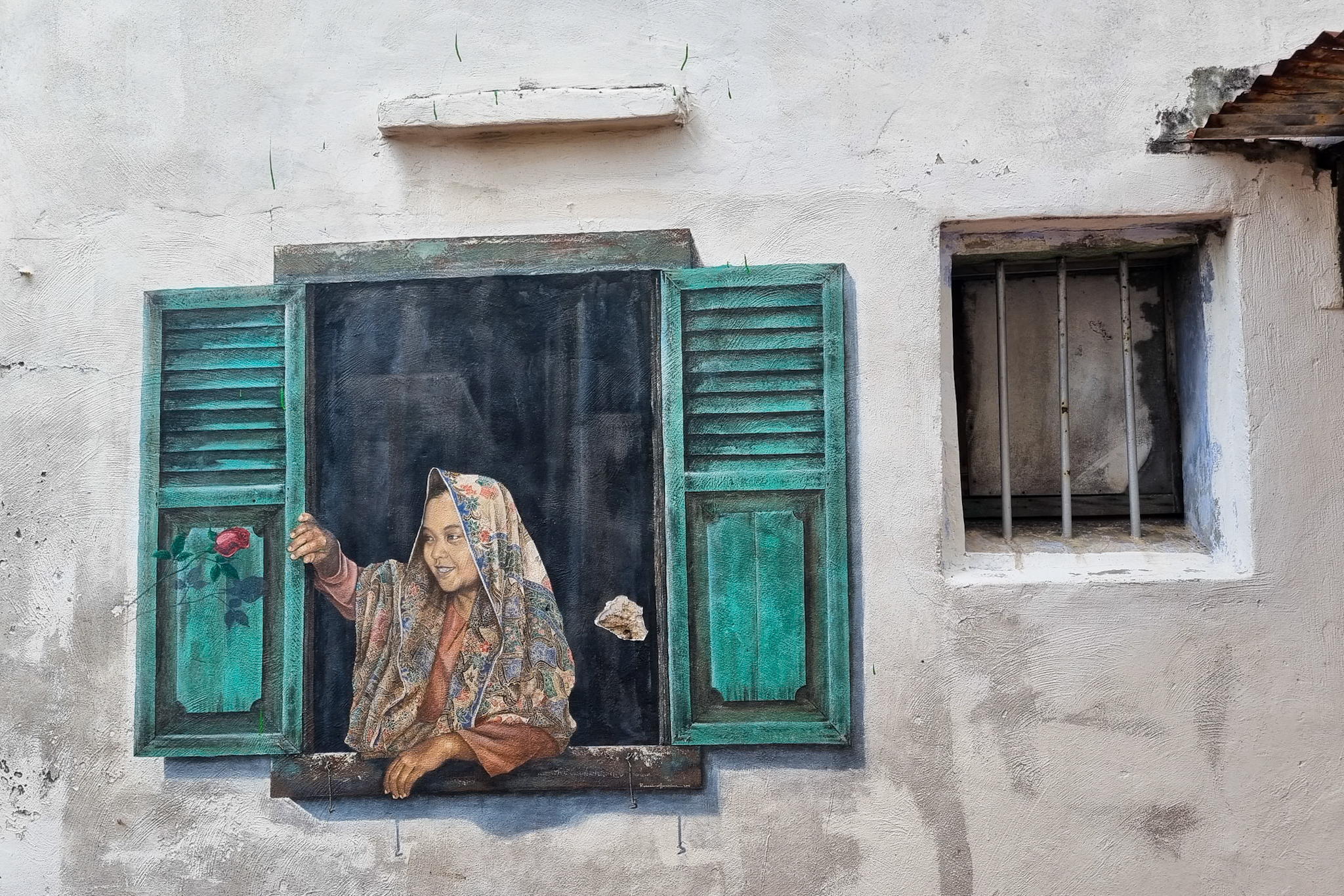
From Kuala Lumpur, historic Melaka , with its locally famous night market and street art, is just around the corner. The global city of Singapore is also nearby. To the north, you can explore tropical islands such as charming Pulau Pangkor, diverse Penang with Georgetown as its major city, or – practically in Thailand – touristy Langkawi with its forested limestone cliffs. The interior offers unexpectedly charming smaller towns like Ipoh, where you can also find unique Buddhist rock temples.


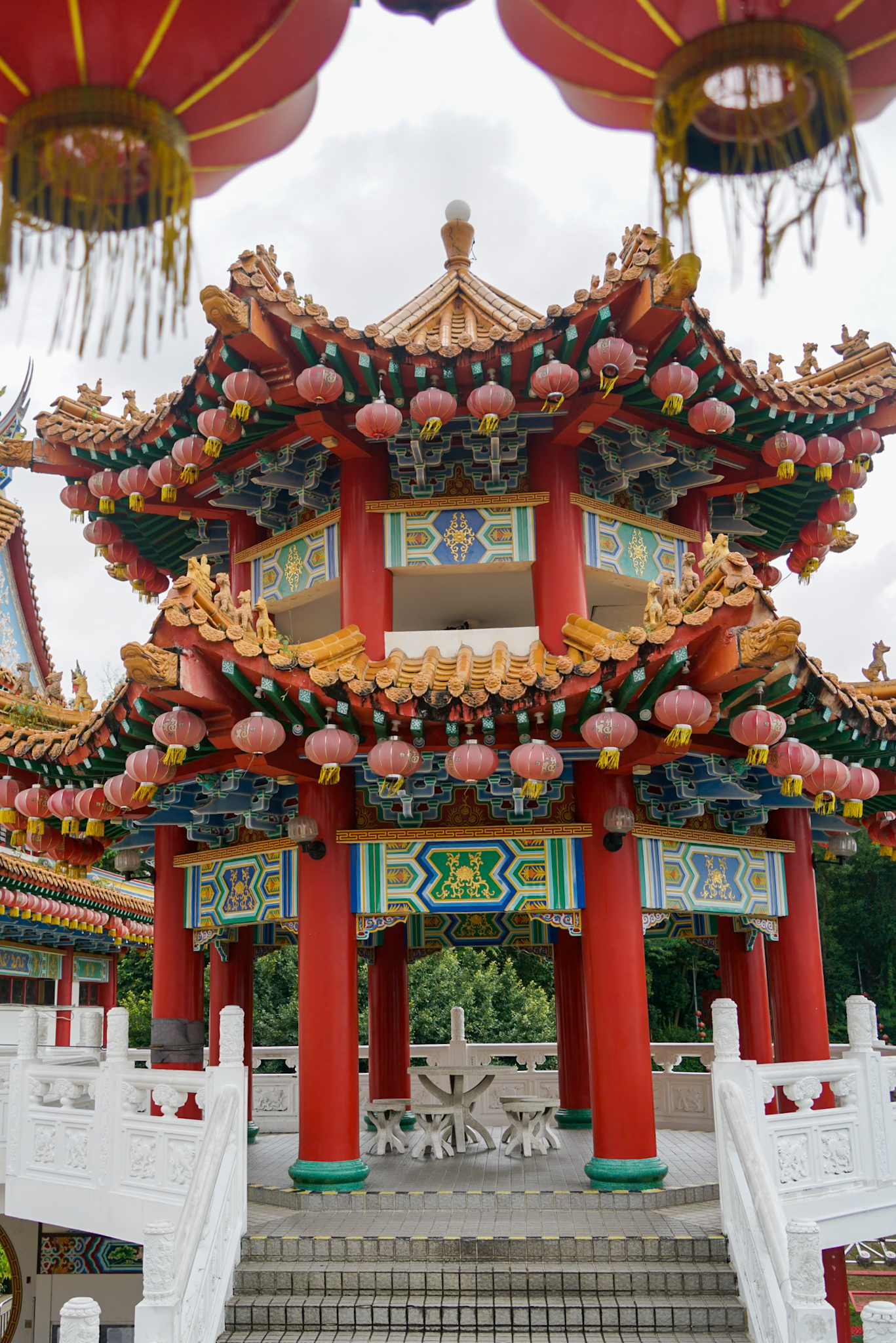
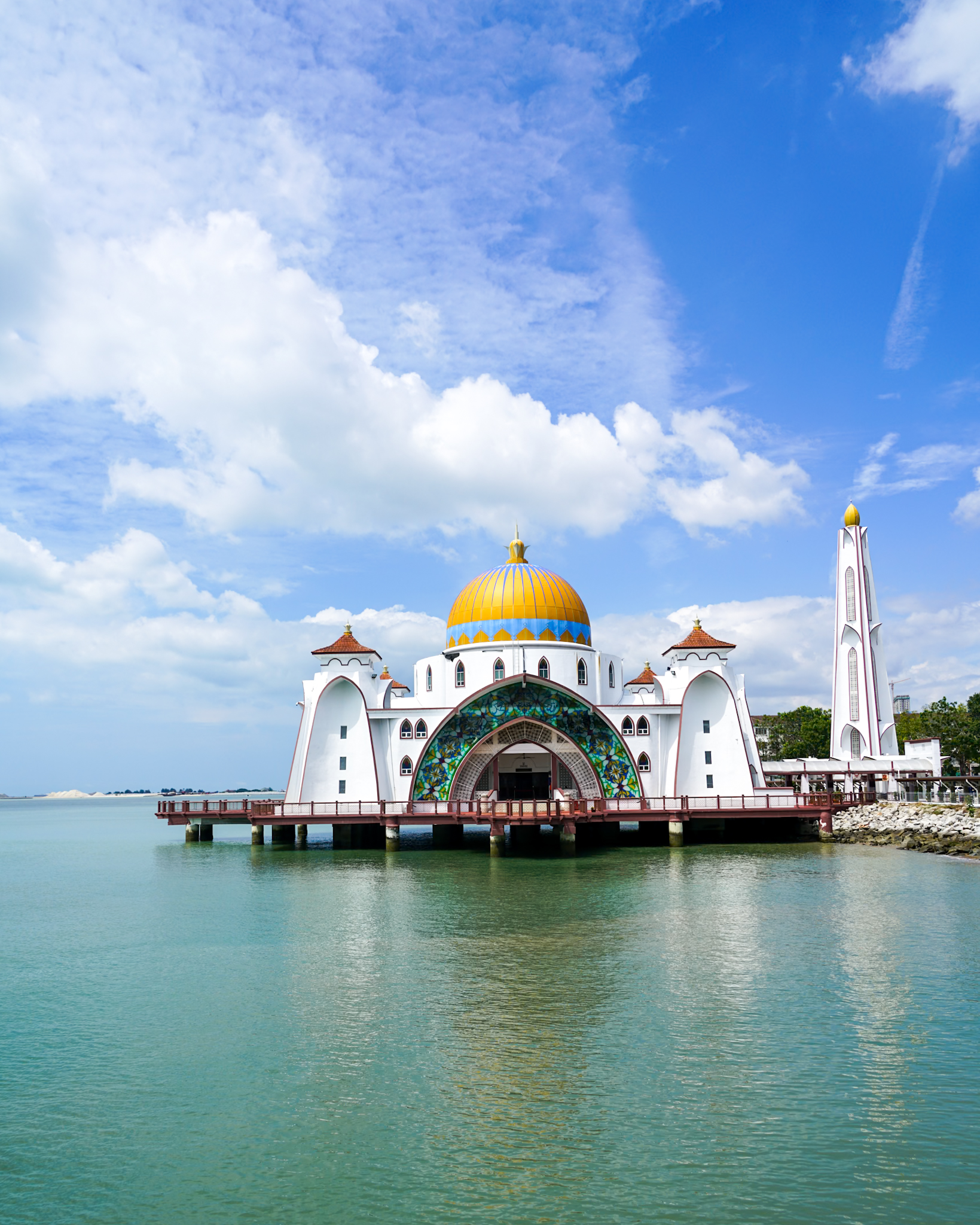
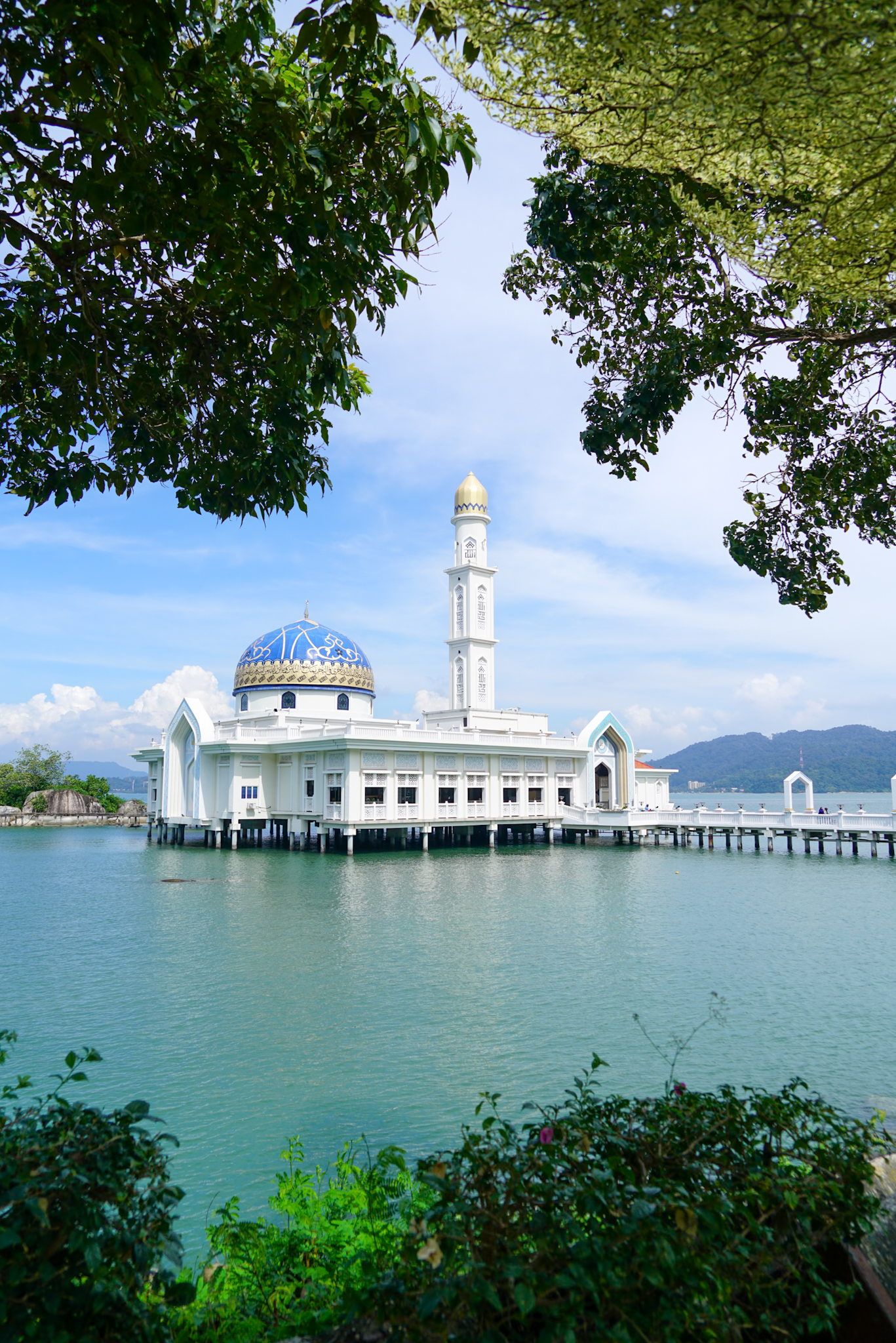
Malaysia truly has a distinct culture compared to other Southeast Asian countries. Most Malaysians are Muslim. Consequently, you can find a number of remarkable, modern, and old mosques in Malaysia. At the same time, you find influences from China, the colonial era, and India everywhere. Many people speak English, which makes traveling here extra easy.

And then there is also plenty to do that we didn’t even get to see due to the rainy season: hiking in the jungle of Taman Negara, visiting the forests and tea plantations of the touristy Cameron Highlands, or the islands of the Perenthians on the East Coast. If you love nature, there is also Malaysian Borneo, which we will return for in a better season.


Singapore
Not far away is neighboring Singapore. And if you have never been there, we really consider it a must-visit. The mix of old and new and melting pot of Asian cultures is unique. However, unlike Malaysia, Singapore is not a cheap country.
Best season for Malaysia and Singapore
You can travel to Malaysia all year round. We were there in December and January. During that part of the year, it is monsoon season, especially on the east coast of the Malaysian Peninsula. Occasionally, a shower blows towards the west coast or Kuala Lumpur and the south during this season, but that is usually a short shower in the evening or at night.
TIP – Also read Our four-week Sri Lanka itinerary: The best Sri Lanka accommodations and 18 best things to do
Our Malaysia itinerary with all our hotels
We traveled through Malaysia for a little over a month. We stayed in West Malaysia, the mainland, and didn’t go to Borneo. That’s for next time.
Map of our one-month Malaysia itinerary
This was our Malaysia itinerary. In a different season, you can swap time on Langkawi and Pulau Pangkor for hiking in the jungles of Taman Negara and the Cameron Highlands, spending time on the Perenthian Islands, or going off the beaten track in the nature parks of northern Malaysia, near the border with Thailand.


○ Week 1 – Kuala Lumpur andMelaka
- 4 nights Kuala Lumpur – Four Points Sheraton Chinatown
- 2 nightsMelaka – Gingerflower Boutique Hotel
Our trip started in the capital, Kuala Lumpur, and especially in and around Chinatown. We recommend taking your time in KL upon arrival. This way, you can recover a bit from the flight and see the different sides of the city. Allow at least three full days.
Melaka is just a couple of hours by bus from Kuala Lumpur. Head on the weekend for the bustling and lively Night Market on and around Jonker Street. If you stay a night off-weekend, you can explore the historic center, buildings from the Dutch era, and street art at your leisure without other (mostly domestic) tourists.
○ Week 2 – Singapore, back to Kuala Lumpur and on to Ipoh
- 5 nightsSingapore – Mercure ICON hotel Chinatown
- 1 night Kuala Lumpur – Tian Jing Hotel
- 3 nightsIpoh – Ninety Guesthouse
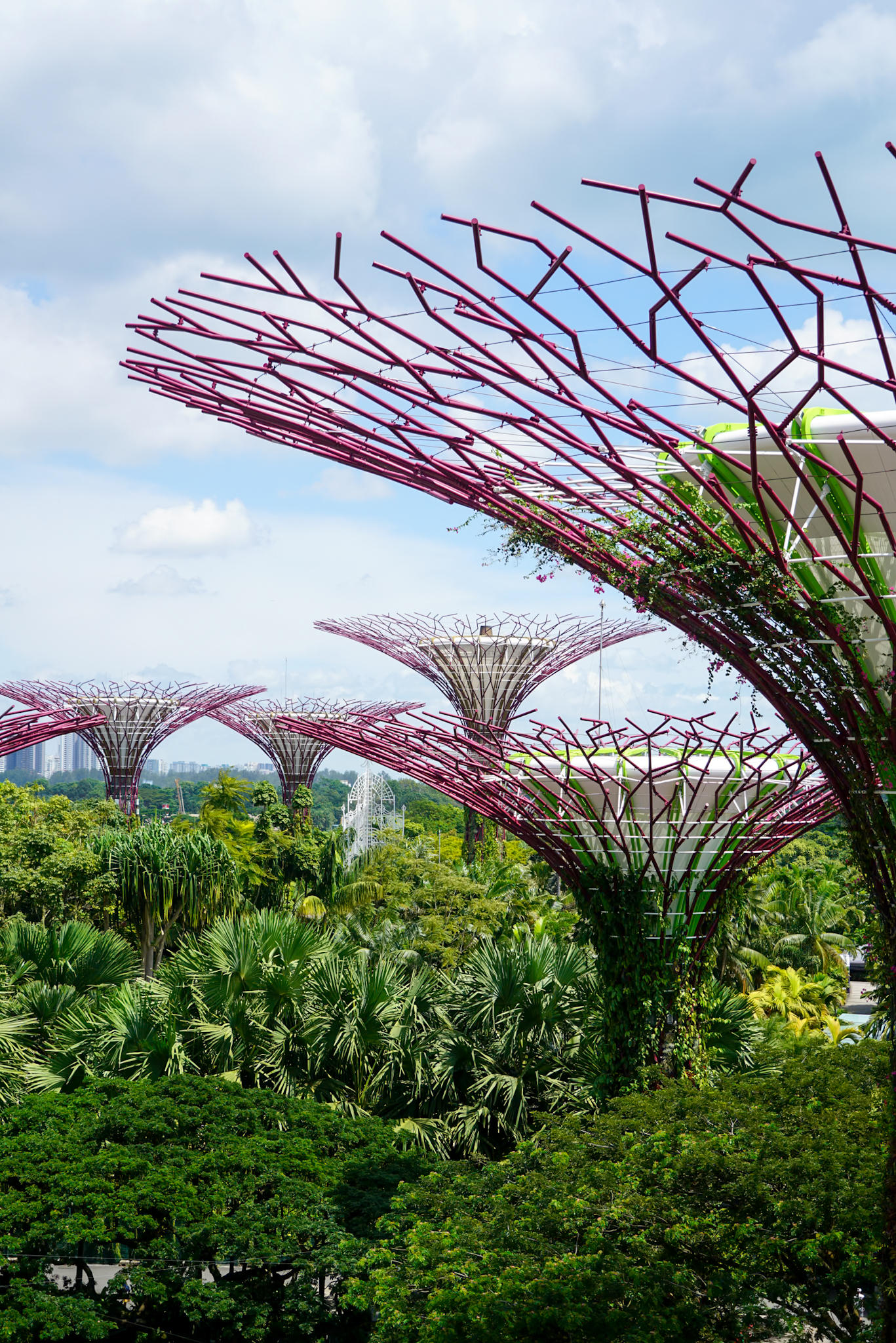
We spent a large part of the second week of our Malaysia itinerary in neighboring Singapore. With five nights in Singapore, we still felt like we didn’t have enough time! We explored Chinatown, Little India, and the Muslim neighborhood and street art around Haji Lane. Of course, we also explored modern Singapore with a visit to Gardens by the Bay and the iconic Marina Bay Sands.


We are taking the bus back to Malaysia. After a stopover in Kuala Lumpur’s Chinatown, we take the train to Ipoh. Transportation in Malaysia is very easy.
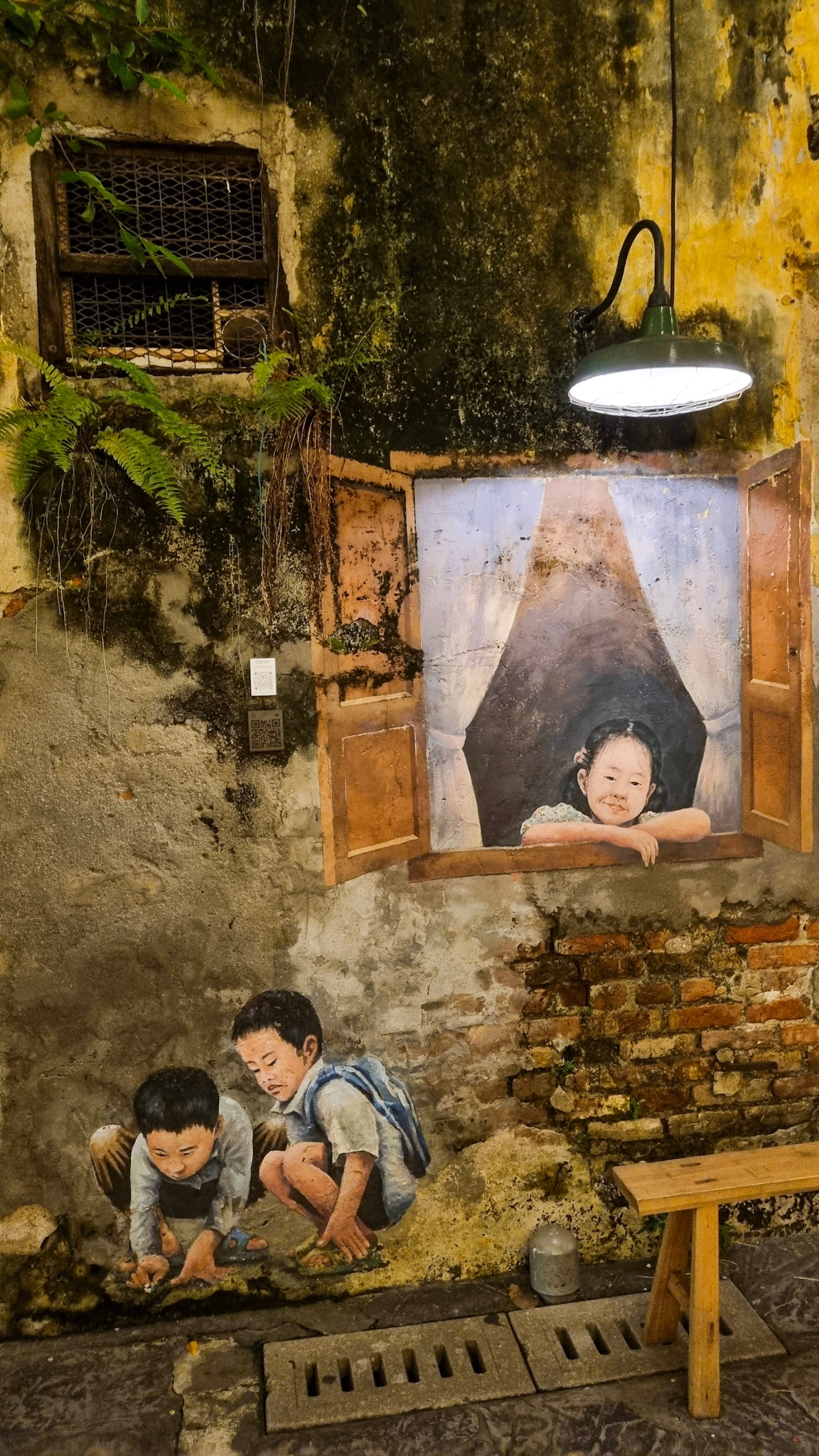
In Ipoh, we have plenty of time to explore the popular alleys and cafes in the old town center. A highlight is the street art by Ernest Zacharevic, who is best known for his work in Georgetown on Penang. Near Ipoh, we find Buddhist temples built against limestone cliffs.

○ Week 3 – Pulau Pangkor and Penang
- 4 nights Pulau Pangkor – Anjung Beach Resort
- 5 nights Georgetown – Nam Keng Hotel

During our third week in Malaysia, we travel to two islands off the west coast of Malaysia: Pulau Pangkor (Pangkor Island) and Penang, the largest island in Malaysia, home to the city of Georgetown. We slowly settle into a beach rhythm on Pulau Pangkor. Exploring the island by scooter, we are covering the whole island in a day. This island is particularly popular with domestic tourists, and on weekends and holidays, it is packed with people. Yet, it all remains small-scale.

Georgetown is our favorite city in Malaysia. The atmosphere here is a bit more relaxed and creative than in other parts of the country. It is not without reason that Penang is popular with expats. We wander through the streets, eat delicious food at all the restaurants, and explore the walking paths of Penang Hill and the seven levels of the Kek Lok Si temple complex just outside the city.

Malaysia itinerary:George Town
○ Week 4 – Langkawi and back to Kuala Lumpur
- 5 nights Langkawi – Kunang Kunang Heritage Villas
- 2 nights Kuala Lumpur – The Kuala Lumpur Journal Hotel
We conclude our Malaysia trip on Langkawi before returning to Kuala Lumpur for the lively central district of Bukit Bintang and the famous Hindu temple at the Batu Caves.
Langkawi is a bit of a ‘love it or hate it’ destination. And although we enjoy ourselves quite a bit at beach restaurants, by our hotel pool, on the Skybridge, and in a kayak in the mangroves, Langkawi isn’t really our thing. But maybe you think it’s fantastic!


We are renting a car on Langkawi. You can arrange this on the spot or online, check out Discover Cars, for example.
○ Transport in Malaysia and Singapore
By bus, train, Grab, and plane (and occasionally a boat): Long distances in Malaysia
Transportation in Malaysia and Singapore is more than decent. The buses and trains are comfortable and highly recommended. We traveled between cities mainly by bus, alternating with a train (Kuala Lumpur-Ipoh), ferries (to Pulau Pangkor and Penang), one long-haul Grab (from Ipoh to Lumut for the Pulau Pangkor ferry), and the plane (to George Town and from there back to Kuala Lumpur).

Long-distance buses also travel back and forth from Malaysia across the border to Singapore. You walk across the border with your luggage before boarding the bus again. In Kuala Lumpur and Singapore, however, be mindful of optimistic travel time estimates (in booking apps), as well as the time required to get to bus stations or pick-up/drop-off points. At Kuala Lumpur Central Bus Station, you need a boarding pass (even if you already have a ticket). You can pick this up at one of the counters at the bus station for a small additional fee.

Public transport in Kuala Lumpur and Singapore
In our experience, public transport in major cities such as Kuala Lumpur, Singapore, and George Town works real well. Kuala Lumpur and Singapore also have metros, although in Singapore we definitely recommend the city buses as well.
The ticketing system for the metro in Kuala Lumpur is simple: you buy ‘tokens’ (small plastic coins) at the ticket machine, which you then use to check in at the gates to the platforms and leave behind at the gates when exiting the metro. In Singapore, it is even easier: there, you simply use your credit card to check in and out.


We found Grab to be a pleasant addition to public transport, especially in Malaysian cities where it is very affordable. In Singapore, prices are higher, particularly during peak times (for example, during a rain shower), and public transport is usually the best option.
Car rental in Malaysia
Renting a car gives you a lot of freedom on the Malaysian mainland. A rental car is also a good idea if you are staying in a location from which you want to visit multiple places in the region. Do note, however, that you are often not allowed to take your rental car on ferries, so keep that in mind if you are traveling to islands.
Check out Discover Cars for renting a car in Malaysia.
Transport apps in Malaysia
A handy app for transportation in Malaysia is the English-language Easybook app. With this, you can book long-distance buses and ferries. You can book the train directly on the English-language website of the KTMB (the Malaysian national railway company). The Grab app is also very helpful in Malaysia.
Short rides in the city cost just a few euros with the Grab app, and long distances on routes with fewer buses are also very reasonably priced with Grab, especially if you share a taxi. Google Maps works fine for navigation, although you might prefer using an open-source app like Organic Maps. That one is better for walking routes anyway.
Tips for putting together your owen two, three, or four-week travel itinerary for Malaysia and Singapore
You have a huge number of options to tailor your itinerary in Malaysia to your own taste. Based on our experience and research, we present three itineraries here: of two, three, or four weeks.

○ Malaysia: Two-week itinerary including Singapore or Borneo
Two weeks in Malaysia visiting the highlights means you have to choose what you like to do best.
Two weeks in Malaysia and Singapore: cities and culture
Do you want mainly cities and culture on your Malaysia itinerary? Then this is the itinerary for you:
- 4 nights Kuala Lumpur (Chinatown, Bukit Bintang, Petronas Towers, shopping malls, Batu Caves)
- 1 or 2 nights in Ipoh (go on the weekend for the atmosphere)
- 4 nights in George Town (Kek Lok Si temple, Penang Hill, street art, Armenian Street and surroundings, the ‘jetties’, night markets)
- 1 or 2 nights in Melaka (go for the night market on Jonker Street on the weekend)
- 4 nights in Singapore (Chinatown, Little India, street art and nightlife around Haji Lane, Gardens by the Bay)


Two weeks in Malaysia: nature
Do you prefer nature and the beach? Then this route probably suits you better, although you will have to fly more.
- 2 nights Kuala Lumpur
- 2 nights Taman Negara national park
- 2 nights Cameron Highlands (tea plantations, hiking – make sure to go outside of weekends and holidays)
- 3 nights in Langkawi or the Perenthian Islands (depending on the season); you can also choose to explore the countryside and nature of Penang Island from George Town, for example by rental scooter and hiking.
- 2 nights Sarawak, Borneo (from Kuching to Bako National Park and/or Kubah National Park)
- 4 nights Sabah, Borneo (including Kinabatangan wildlife sanctuary)

○Malaysia and Singapore: Three-week itinerary
Do you have an extra week in Malaysia? Then combine city, beach, and nature. By staying on the Malaysian mainland, you get a more relaxed trip:
- 4 nights Kuala Lumpur (Chinatown, Bukit Bintang, Petronas Towers, shopping malls, Batu Caves)
- 2 nights in Ipoh (go on the weekend for the atmosphere)
- 5 nights for 4 days of hiking: 2 days in the Cameron Highlands and 2 days in Taman Negara (or if you prefer the beach, you can choose 4 days in Langkawi, Pulau Pangkor, or the Perenthians)
- 4 nights in George Town (Penang Hill, Kek Lok Si temple, street art, Armenian Street and surroundings, the ‘jetties’, night markets, Hin Bus Terminal artists’ market, optional Penang Island)
- 2 nights in Melaka (go for the night market on Jonker Street on the weekend, explore the street art, and discover the floating mosque)
- 5 nights in Singapore (Chinatown, Little India, street art and nightlife around Haji Lane, Gardens by the Bay, and more)
○ Malaysia Travel Itinerary of four weeks or more? Combine with Singapore and Borneo
If you have four weeks or more in Malaysia, we definitely recommend combining Malaysia with Singapore. Is it the right season? Then add Borneo to your 3-week itinerary. Is it not the rainy season? Then take your time in the cities, smaller towns, and islands of Malaysia. It is a pleasant and affordable country where you don’t have to rush. With four weeks or more in Malaysia, you can also choose some more off-the-beaten-track destinations, such as the green hills of North Malaysia near the border with Thailand.
BONUS – Boeken over Maleisië en Singapore
| Travel guide : Lonely Planet Malaysia and Singapore
The Lonely Planet remains the best travel guide for Malaysia to prepare for your trip and to take with you in your backpack.
| Crazy Rich Asians – Kevin Kwan
A whirlwind book about the crazy rich life in Singapore. Absolutely recommended.
| The House of Doors (nd other books by The Booker Prize winner Tan Twang Eng)
Tan Twang Eng‘s books are truly beautifully written. Wonderful stories to let yourself be swept away by, set against the backdrop of characterful Malaysia.
| Inspector Singh Investigates: A Most Peculiar Malaysian Murder – Shamini Flint
An unusual and lighthearted detective story about a Singaporean inspector. The story takes place in Malaysia, which also means a small insight into the mutual prejudices between Malaysia and Singapore.
| The Rice Mother – Rani Manicka
A rich story about a family history in Malaysia. A girl from Sri Lanka is married off to a man in Malaysia. Things turn out differently than dreamed.